Bob's Basics: Residential Solar

November 15, 2024

Understanding grid-tied principles & net metering with Bob Callaway
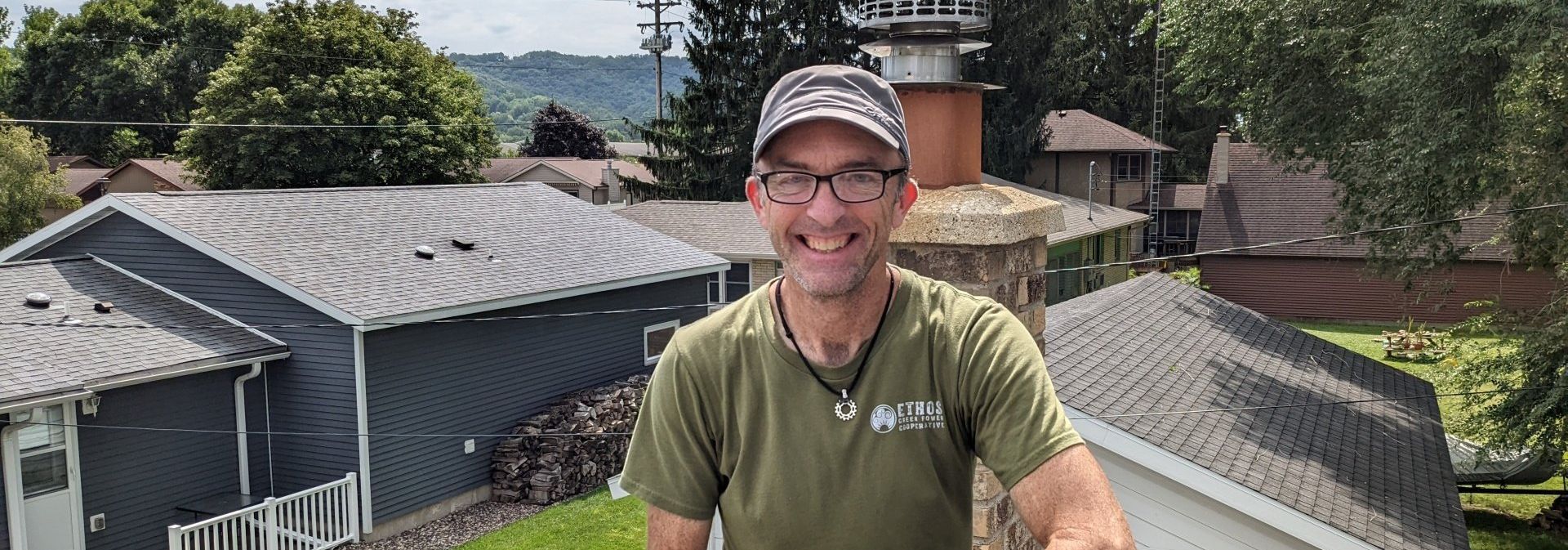
A man in a green shirt and hat is standing on the roof of a house.

What are the common types of solar systems and how is grid tied different from an off-grid or a standalone system?


There are three different types, I guess maybe pretty obvious, but a grid tied solar system is tied directly to the grid. There's no storage, so everything that you make is either going to get used in the house or get exported back to the grid. A hybrid system, this is a similar situation, but you do have batteries available, so if you're overproducing, you can either charge your battery or the energy can go back to the grid. And then of course an off-grid system is you're not connected to the grid at all and you have to rely on your battery bank to provide all of your energy


It’s important to note that there are a couple of different modes that hybrid systems usually operate in. The most common is what is called self-consumption, where you would charge your battery during the day when the sun is shining and then discharge the battery throughout the night so you don't have to use utility power, or to combat time of use rates. - you could charge your battery, discharge your battery when electricity is really expensive instead of having to buy it at that time. 


What are some of the common misconceptions that people have concerning solar?


There is a misconception that batteries are just immediately involved in any system. Like the whole concept of grid-tied - solar with no batteries - is a little tricky for some customers to wrap their head around.


So maybe the first thing to understand is the concept of net metering itself. Net metering really is the idea that you can use the energy that you're making before it goes back to the grid and receive credit for all of your electricity you send back. 


The tricky part is that not all utilities credit back electricity the same. The term net metering may imply that you’re getting full retail credit for all of your electricity that you send back. And there are a few cases where that's true, but generally there are two factors that influence how the utility credits you. There's the timing of how they credit you and the rate at which they credit you. So they're both pretty critical. 


Explain the different ways utility time their credits


Many utilities do it at the end of the month, so everything that you've overproduced for the month gets credited at the end of each billing cycle. Some do it annually, so any overproduction is just carried from one month to the next and they “true up” your account at the end of the year.


Then there's another method where they do it essentially in real time or in 15 minute chunks where if you're making more than you're using for that 15 minute chunk, they're buying it back from you immediately at some predetermined rate. And that's generally considered to be the worst, especially if the payback rate is wholesale.


Why is that?

Say, for example, you're a working family and everybody's off to work in the middle of the day, you're making electricity like crazy and there's low usage in the house, the utility is buying all that production at wholesale, and you come home at night as the sun's going down and then you're buying it back from them at retail, that might not make sense.


On the other side of the coin of the rate argument, one of the best deals in the area is Westby Municipal. I live in Westby and they also true up in real time, but they pay back at retail. So to me, I am getting full retail value for every kilowatt hour that I make. So it highlights the difference between the timing and the rate.


The only time you're really getting retail value is if you're using it while it's being made. And if you're not home, that's hard to do. There's ways to combat that, if you had an electric car for example, or some other energy load that you could run during the day when the system is producing energy. The other solution, of course, is a hybrid system with battery storage.


How important is the design of my system?


What’s important is to first look holistically at your energy usage over the year and work with a good system planner to put together a system design that plays well with the terms or your utility’s net metering.


It's really important to match the system size with not only how much electricity is being used throughout the year in gross terms, but
when. To look at a curve of consumption and then compare that to the curve of your production. So if you, let's say you're heating with electricity, but other than that, you don't have very much going on electrically, no big loads, gas, water heater or whatever. So your winter usage is going to be really super high and then in the summer pretty low relative to your winter months.


We're making the majority of our electricity in the summer. So if you can visualize it, those two energy curves would completely counter each other. 


So let's talk about a person with electricity heat or geothermal, maybe they use 12,000 kilowatt hours in a year, but the bulk of it is in the winter months. If we just design a system to make that much energy, they'll be buying electricity in the winter and making way more electricity in the summer than you're using and selling all that electricity back to the utility.


So this goes back to how often the utility will true up your account and if that works for your scenario. If you're with a monthly true up utility, then you're going to get paid back monthly for all that overproduction in the summer. If they true up at the end of the year, then you can use the summer months to bank your electricity and the utility will just keep that on your account and you can use it to offset your usage in November and December.


Depending on how the utility's schedules its pay back, there may be a financial case to be made to put in a battery or look into installing a smaller system.


Is it possible I don't have the best scenario to go solar?


There are some times when a scenario is not a slam dunk case for solar. So one of the reasons why I love Ethos is that we're not profiteers and if we run across a situation like that, we can explain it to the customer why it isn’t a good fit - rather than just making empty promises and selling them the 12,000 kilowatt hour a year system and then not answering the phone when their bills aren’t going down.  If a customer isn’t going to save much by getting solar, we’ll let them know.


What does it mean to you to be a hyper-local expert in solar?


It's kind of cool to go to events in town and say hi to all the customers that I've worked with in the past and who I know that Ethos has saved them money on their bill. It's pretty heartwarming. I get stopped pretty frequently from customers to chat about it and there's no reason to hang your head because like I said, we're above board company with that kind of thing and we're not in it to rip people off. 


It's pretty fulfilling. I love solving problems and looking holistically at a client's house and their utility bill and how they heat their house and how solar might help them. That is very fulfilling and what keeps me coming back to work. 


Any final thoughts?


Just the general concept of net metering that you get to use the electricity before it goes back to the grid, and then the timing at which your account is trued up and the rate which is trued up. Those are the three most important things. And then working with a company experienced in designing a system that not only generates electricity, but saves you money.
April 17, 2026
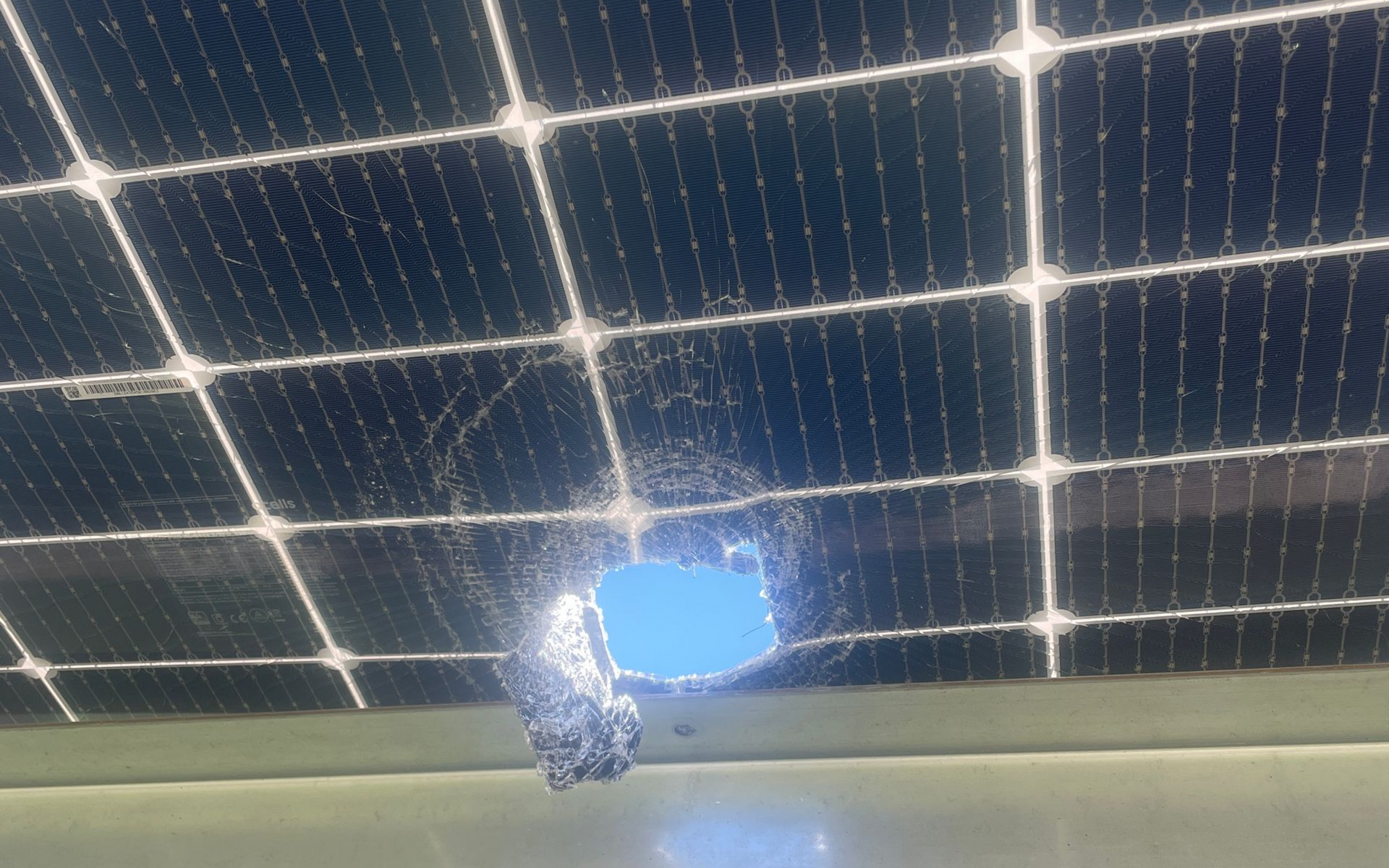
If your home or solar system was impacted by recent severe hail, we're here to help you understand your options, costs, and next steps — without the overwhelm.
By 7074204880 April 13, 2026
We thank our farmers for the hard work you do feeding our communities. We know your days are long and the work is never done. From all of us at Ethos, our gratitude runs deep. We understand that even in trying times and hard seasons, what you grow truly matters.
February 27, 2026
Choose Your Rebate Pathway Wisconsin offers two separate rebate programs. You can combine these programs, and understanding your total stacked incentive value starts here.
February 27, 2026
Going solar is a smart decision—financially, practically, and philosophically. A well-designed system should reliably work for 25+ years, lowering your energy bills and giving you peace of mind. Unfortunately, not all solar installers are playing the same game.
June 9, 2025
The Midwest Renewable Energy Association (MREA) is thrilled to announce the new Grow Solar La Crosse program for 2025. Building on years of experience with solar programs in the area, this year’s group buy is an opportunity for residents to purchase a home solar system at a below-market cost. Click the button below to sign up for a free site assessment, or to get email updates about the program. SIGN UP Partnering with local governments and community groups, the program is designed to help homeowners and small businesses cut down on energy costs by offering discounted solar panel installations. With energy bills on the rise, switching to solar can be a smart way to embrace clean energy while saving money in the long run. “In times of uncertainty and climbing prices, one thing remains the same: we all need electricity,” says Evonne Waugh, Grow Solar’s program manager. “Investing in solar means securing lower bills for many years ahead.” Through a solar group buy, community members join together to get better pricing on solar panel installations. Grow Solar will host free educational sessions, known as “Solar Power Hours,” to help everyone understand the ins and outs of solar energy. After these sessions, interested homeowners will be connected with a trusted solar installer for personalized site assessments and project proposals. Viroqua-based Ethos Green Power Cooperative has been independently selected to be the program’s installer in 2025. “We’re thrilled to be working with the Grow Solar program to expand solar access in our region,” says Tomas Herrera, a sales and marketing coordinator at Ethos. “Our core focus is empowering our communities through electrification, and we’re stoked to share the benefits of solar power with our neighbors in La Crosse County this year.” The financial benefits of switching to solar are clear and long-lasting."Once installed, solar panels generate immediate savings on your electric bill," says Lewis Kuhlman, Environmental Planner for the City of La Crosse. 'And since panels are backed by a 25-year guarantee and last for decades, they make owning a solar array a wise long-term investment.” Grow Solar programs have been offered in 24 markets across six Midwestern states over the past 12 years. Nearly 25 megawatts of new clean energy generation has been added through those programs, producing millions of kilowatt-hours of clean power every year. “Previous Grow Solar programs have collectively saved participants hundreds of thousands of dollars on their energy bills, and we want La Crosse County residents to access those savings!” says Jeff Schneider, communications coordinator for Grow Solar. “Incentives that make solar panels much more affordable are still in place, making 2025 a great time to make the switch to solar.” The program’s free Solar Power Hours will be hosted throughout the spring and summer, both in-person and virtually. In-Person Solar Power Hour: Thursday, June 26th at 5:30pm at the Holmen Library . Co-Hosted by La Crosse County Register In-Person Solar Power Hour: Tuesday, July 15th at 5:30pm at the Onalaska City Hall . Co-Hosted by the City of Onalaska Register Virtual Solar Power Hour: Thursday, July 24th at 2:00pm, online via Zoom. Register In-Person Solar Power Hour: Thursday, August 7th at 5:30pm at the Nature Place . Co-Hosted by the City of La Crosse and La Crosse County Register About Midwest Renewable Energy Association (MREA): The Midwest Renewable Energy Association promotes renewable energy, energy efficiency, and sustainable living through education and demonstration. Based in Custer, Wisconsin, MREA provides renewable energy career training and solar group buy programs across the Midwest. About Grow Solar La Crosse: Grow Solar La Crosse, led by MREA, the City of La Crosse, the City of Onalaska and La Crosse County, facilitates group buying of solar panels to make solar energy accessible and affordable for residents and businesses in La Crosse county. About Ethos Green Power Cooperative: Ethos Green Power Cooperative is a full service solar installer based in Viroqua and serving Southwestern Wisconsin. Their mission is to provide the highest quality renewable energy services to the rural areas surrounding Viroqua, as well as creating new sustainable jobs, stabilizing the cost of electricity and moving away from fossil fuel dependence.
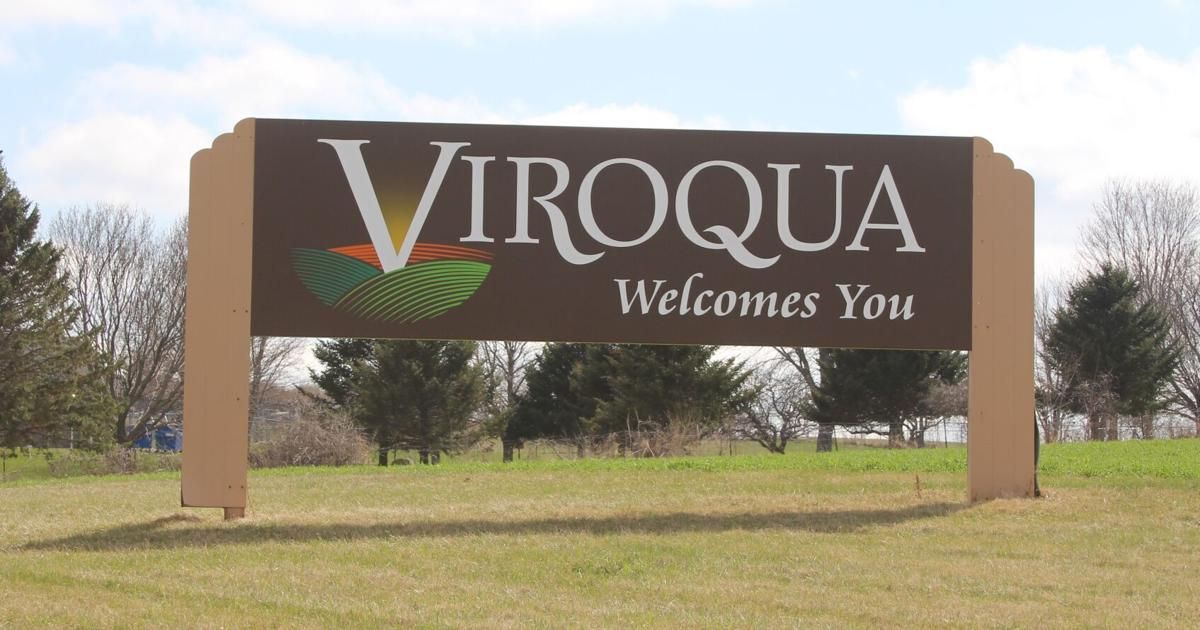
A viroqua welcomes you sign in a grassy field
April 11, 2025
When the Vernon Economic Development Association (VEDA) transformed a former factory into the Food Enterprise Center, it opened the door for dozens of small businesses to thrive in Viroqua. In 2023, the Center added a 100 kW solar array – 30% of which was funded through the Inflation Reduction Act’s direct pay provision. In this video, tenants of the Center share how on-site solar is lowering their energy costs, helping them to grow their businesses and reinvest in their community. With these federal incentives now at risk, local entrepreneurs speak out about what’s at stake – and why continued investment in rural communities and small businesses is “a really important piece in moving America forward together.”
February 19, 2025
A Customer's Solar Journey in Holmen, WI
February 7, 2025
On January 20, 2025 the Environmental Protection Agency, under new management, froze $7 billion in contracts awarded through the Solar for All program. Withdrawing funding for programs like Solar For All and the USDA REAP program are a direct blow to the powerful work being done in Wisconsin to maintain economic vitality, energy independence, and environmental stewardship. The EPA committed $62.4 million in Wisconsin, with $50 million specifically dedicated to lowering electric bills for nearly half of working families. Moreover, the USDA awarded $66.7 million in REAP grants according to a press release that has been removed from the USDA website . This funding has proved successful in supporting our farmers and communities while also helping to stem the rising cost of electricity as a whole . In short, solar energy empowers not only individual households but entire communities by ensuring neighborhoods have reliable access to power and helping to keep local energy costs down. The Viola Municipal solar project installed by Ethos Green Power is a testament to community impact. Designed to produce 12.84% of Viola’s current energy needs , the project pairs solar with 440 kWh of battery storage to ensure that affordable, locally generated power is always available—even during peak demand. With an ROI of just 3.5 years , it is projected to generate over $4 million in electric bill savings over 30 years, turning investment into immediate and long-term community benefits. Environmentally, the project cuts 504 metric tons of CO₂ annually , equivalent to powering 98 homes every year. Federal funding like the EPA’s Solar for All grant is critical for supporting Wisconsin’s solar industry— a key economic driver in a state without fossil fuel resources . In fact, solar power jobs make up over a third of all Electrical Power Generation jobs in the state —more than twice the next-highest segment of wind—while 73,398 of the state’s energy workers are employed in clean energy. These sustainable, good-paying jobs align perfectly with the “all of the above” energy strategy embraced by Federal policy makers. The demand for solar energy is unchallenged. Consumers are determined to own their power and embrace the freedom of choice that comes with access to solar energy. Solar can be deployed faster and more affordably than most traditional electricity generation methods—especially compared to nuclear—and with rapidly decreasing costs of energy storage solutions, the momentum for solar is unstoppable. The people of Wisconsin will continue doing the work we do to secure our energy future in America—whether the federal government recognizes us or not. We hope it doesn’t come to that, but we’re strong enough to take our energy destiny into our own hands.
January 28, 2025
The Data Center Boom and Our Grid "Artificial Intelligence" (AI) projects (that make possible the image shown above) require massive computing power. An AP News story highlights how Amazon and Microsoft alone are driving huge expansions in data center capacity, creating an “ unprecedented strain on local power grids .” According to a Utility Dive analysis, data center load growth could soon make up a noticeable chunk of our total electricity demand, pushing costs higher for everyday folks. The U.S. Department of Energy recently released a report noting that "data centers consumed about 4.4% of total U.S. electricity in 2023 and are expected to consume approximately 6.7 to 12% of total U.S. electricity by 2028." Add in the looming possibility of more extreme weather events that demand extra heating or cooling, and our state’s power needs will spike even further. There's no silver bullet when it comes to the complex task of solving the onslaught of demand for power. We can't dig (or drill) ourselves out of this problem. We need an "All of the Above" strategy of practical, ready-to-go technologies to meet this moment. Look Up A recent Reuters article underscores the complexity of transforming the nation’s power grid. But complexity shouldn’t paralyze us. Instead, let’s tackle it one piece at a time. In Wisconsin, we have a rock-solid workforce of trained tradespeople and strong communities ready to invest in locally generated power –all we have to do is look up. The sun does not discriminate. Its power is available to all who choose to capture it. What's even more, solar power can be deployed quickly and affordably with very little bureaucracy–right in our own backyards and on rooftops! This fact has not gone unnoticed by big tech. Plans for a $100 billion ( maybe $500 billion? ) Stargate AI venture championed by the President emphasizes that solar is going to be a key power source . The rationale is simple– power generated behind the meter eliminates costs and inefficiencies associated with centralized power generation, long-distance transmission, and utility fees. Plugging into their very own solar power plant, businesses and homeowners gain energy independence and resilience at a relatively stable and predictable cost. On-site generation coupled with battery storage can continue to power essential loads during grid outages and potentially eliminate charges associated with peak demand or "time of use" rates. Sure, wind, hydro, and maybe nuclear each have their own part to play, but let’s face it—building a new plant here in Wisconsin would be a massive undertaking requiring specialized engineers, federal approvals, and years of planning. If we look at the speed of deployment, cost of installation, and immediate availability of trained local workers , solar is front and center. Solar farms and rooftop installations can pop up in months and scale quickly as demand increases. A Local Lifeline: Why Solar Works in Wisconsin If there’s one thing Wisconsinites know, it’s how to rally around each other when things get tough (especially if there’s cheese or beer involved). Local, renewable power is a natural extension of that community spirit. The U.S. Energy Information Administration forecasts that U.S. power usage will jump to record highs in 2024 and 2025 . That might sound intimidating, but it also spells opportunity for Wisconsin’s economy. By investing in renewables such as solar: We keep more energy dollars cycling in our own communities (think local jobs, local spending, local pride). We’re not left waiting on pricey nuclear projects or heavily specialized construction crews—solar can be rolled out relatively quickly by teams right here in Wisconsin. We build energy security , so we’re not at the mercy of out-of-state fossil fuels or international fuel costs. “Renewables were the fastest and cheapest energy generation capacity to deploy in the U.S. last year,” according to Canary Media . That’s not some fairy-tale marketing slogan—that’s a real stat pointing to our immediate, practical options. And in an economy where “local” is a badge of honor (just look at our farm-to-table culture), solar aligns perfectly with our values of self-reliance and community well-being .
January 17, 2025
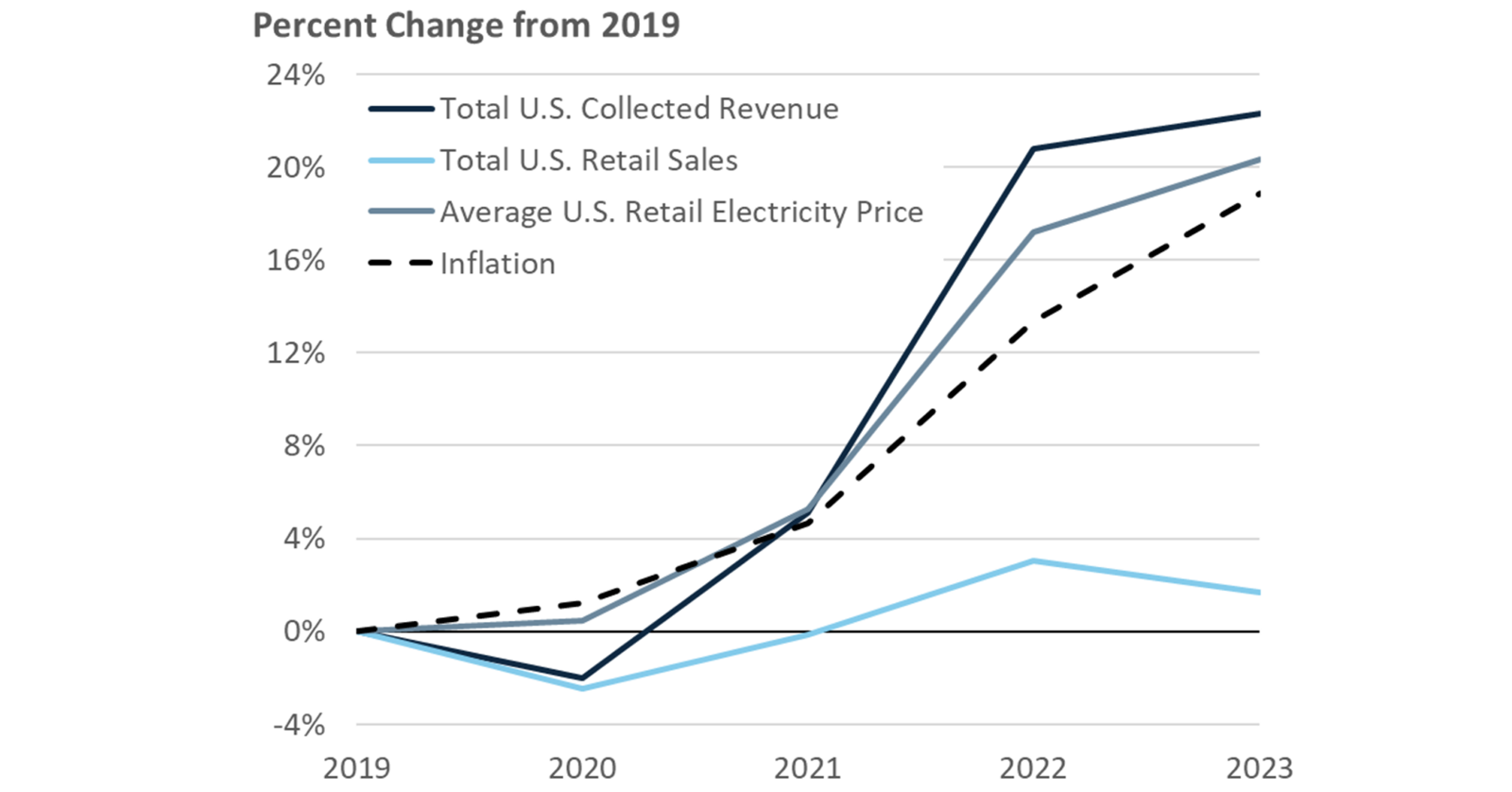
What’s Causing Electricity Rates to Rise? Transmission and Grid Maintenance: Electricity prices are rising primarily due to the growing expense of delivering power across the grid, known as distribution and transmission costs. Utilities must maintain and upgrade aging infrastructure, respond to extreme weather events, and incorporate new technologies—all of which drive up the price of moving electricity from power plants to homes and businesses. While fuel and generation costs also factor in, the share devoted to distribution and transmission has surged, leading to higher rates for consumers. Fuel Price Fluctuations: Traditional fuels, such as natural gas and coal, can experience sharp price swings due to factors like global market conditions, supply constraints, and geopolitical events. When the cost of these fuels goes up, utilities often pass those increases on to their customers through higher electricity rates. This volatility makes energy bills less predictable and underscores the appeal of more stable-cost resources like renewables. Reality Check: While some people claim that expanding oil and gas drilling could substantially lower electricity costs, evidence suggests otherwise. According to data from the U.S. Energy Information Administration (EIA), oil plays a relatively small role in power generation, and expanding drilling generally has a limited, long-term impact on natural gas prices. Global market forces, distribution and transmission upgrades, and the growing competitiveness of renewables usually overshadow any short-term benefits from new drilling. In fact, much of today’s electricity rate increases stem from infrastructure and grid modernization costs rather than fuel prices. This indicates that the argument for cutting electricity bills significantly through more drilling is largely overstated. In addition to the cost of natural gas as a commodity , there are still substantial costs involved in running and maintaining natural gas power plants. As utilities move toward lower-emission technologies, many of the costs associated with fossil fuels are expected to rise, not fall. Essentially, we’re already depending heavily on natural gas, so increasing its use further won’t eliminate the operational and infrastructure expenses that come with burning fossil fuels. Furthermore, increasing demand on natural gas will only cause the price of the commodity to go up. This helps explain why shifting to energy sources with lower ongoing input costs—like solar and wind—can be more economical in the long run. How Solar Panels Counter Rising Rates Once you install solar panels, you start generating your own electricity and reducing the amount you buy from the utility. The result: an immediate drop in your monthly bill. • Attractive Return on Investment: 
Rooftop solar systems often pay for themselves within a handful of years through reduced energy costs, incentives, and net metering credits —where you’re compensated for the excess electricity you send back to the grid. • Community-Wide Benefits: 
When more homes generate power locally, utility companies can lower their distribution costs—less electricity has to travel long distances over power lines. This can help stabilize or even reduce rates for everyone. Exact figures can vary by system size, incentives, and local electricity rates, but data from RENEW Wisconsin and Focus on Energy indicates that homeowners in Wisconsin typically see a solar payback period of about 7–10 years. This assumes taking advantage of the federal Investment Tax Credit (ITC), plus any applicable state or utility incentives. The average savings of an Ethos customer is around $24,000 over the life of the system. The Power of Heat Pumps Heat pumps are an ultra-efficient way to heat and cool your home by moving heat rather than creating it. • Reduced Energy Use: Because they’re so efficient, heat pumps can significantly cut your heating and cooling costs. • Lower Carbon Footprint: If you power your heat pump with solar panels, you’re using clean energy to comfortably heat or cool your home, minimizing your environmental impact. • Better for the Grid: By using less electricity overall, heat pumps place less stress on utility infrastructure, helping to contain costs across your neighborhood. This means significantly lower utility bills compared to traditional HVAC systems—according to the U.S. Department of Energy, heat pumps can cut heating energy use by about 50%. Their ability to both heat and cool a space makes them incredibly versatile and scaleable for a wide range of environments. For older homes, workshops and mother-in-law apartments, ductless (mini-split) heat pumps are popular because they’re easy to install without extensive ductwork , and they efficiently provide both heating and cooling. In multi-family or hospitality applications, larger centralized or variable-refrigerant-flow (VRF) heat pump systems can handle multiple units at once, optimizing energy use across the property. Even in specialized settings like boats , heat pumps can be used to regulate temperature efficiently in tight quarters. Wherever they’re used, heat pumps offer efficient comfort at a low operating cost. BTM Efficiencies: Saving You Money and Helping Your Neighbors “Behind-the-meter” resources—like solar panels, heat pumps, and other energy efficiency upgrades—aren’t just about your individual savings. They create a ripple effect: • Reduced Strain on the Grid: Generating some of your own power or using less energy means utilities don’t have to ramp up as many power plants, ultimately slowing rate increases. • Lower Distribution Costs: The less electricity that needs to flow from distant power plants to your area, the less utilities pay for things like transmission maintenance, lowering bills for everyone connected to that grid. • Community Resilience: Distributed energy resources can keep neighborhoods powered if grid disruptions occur, adding another layer of reliability. According to the Lawrence Berkeley National Laboratory, distributed solar alone has helped offset billions in infrastructure upgrades by reducing peak demand on the grid. Meanwhile, a study by the National Renewable Energy Laboratory (NREL) shows that a typical 6 kW residential solar system can eliminate roughly 6 to 7 metric tons of carbon dioxide emissions each year, underscoring how BTM technology not only cuts homeowner energy bills but also reduces strain on the overall energy ecosystem. Environmental and Social Benefits • Cutting Carbon Emissions: Solar and heat pumps rely on clean, renewable energy, leading to fewer greenhouse gases. • Leading by Example: When neighbors see the financial and environmental benefits of BTM solutions, they’re more likely to adopt them—multiplying the positive impact on the entire community. • Healthier Communities: Fewer emissions mean less pollution, which translates to cleaner air and a healthier environment for everyone. The Bottom Line Rising electricity prices don’t have to be inevitable. By investing in rooftop solar, installing efficient heat pumps, and taking advantage of other energy-saving upgrades, you can save money, earn a robust return on investment, and help lower costs for your entire neighborhood. Plus, you’ll be doing your part to protect the environment and create a more resilient energy future for everyone. If you’ve been on the fence about solar or switching to a heat pump, now is the time to take action—your wallet, your neighbors, and the planet will thank you.